
 ★ 8.2
DivXLive: the films of the DivX years
The 2000s were the decade when films first travelled as digital files, a decade named here after the DivX format that made them small. DivXLive gathers 192 films of 2000 to 2009: the twelve most voted English-language films of each year on TMDB, from Gladiator to Avatar, and six shelves of the world cinema that reached new audiences in those years, from Amélie and Spirited Away to Oldboy and 3 Idiots, with synopses, cast and where to watch legally.
The disc shelf
Class of 2000Class of 2000
Open the disc (12)★ 8.2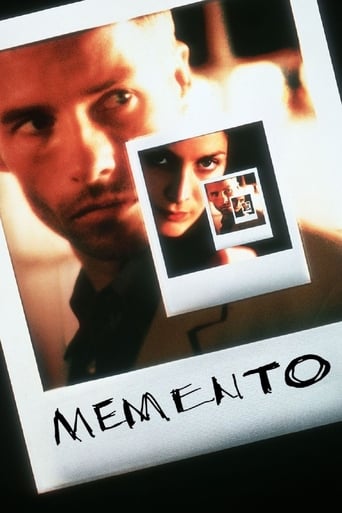 ★ 8.2
 ★ 7.4
 ★ 7.7
 ★ 7.0
 ★ 8.0
 ★ 7.8
 ★ 7.1
 ★ 6.8
 ★ 6.4
 ★ 6.1
 ★ 7.6
Class of 2001Class of 2001
Open the disc (12)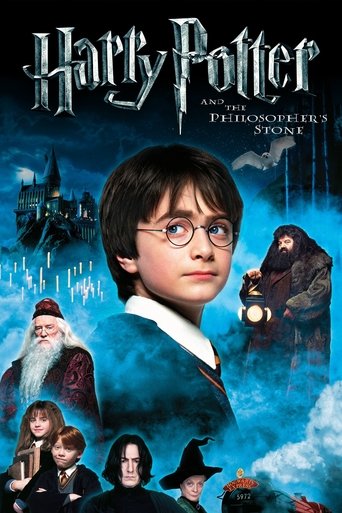 ★ 7.9
 ★ 8.4
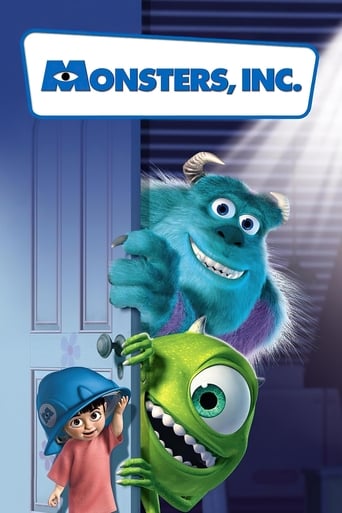 ★ 7.9
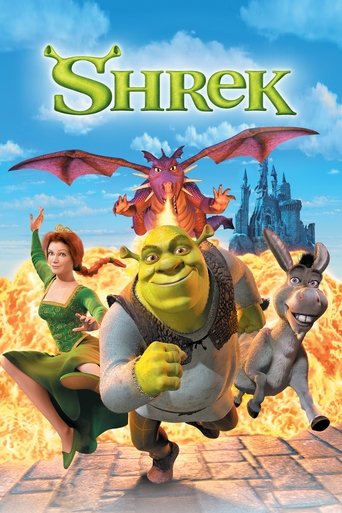 ★ 7.8
 ★ 7.8
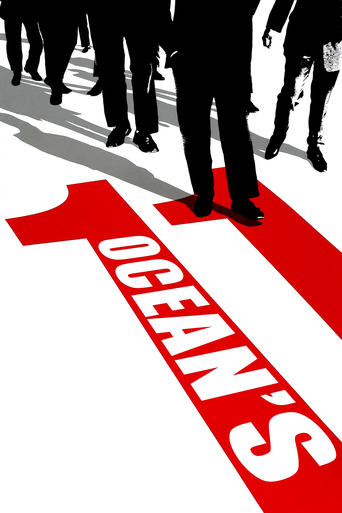 ★ 7.5
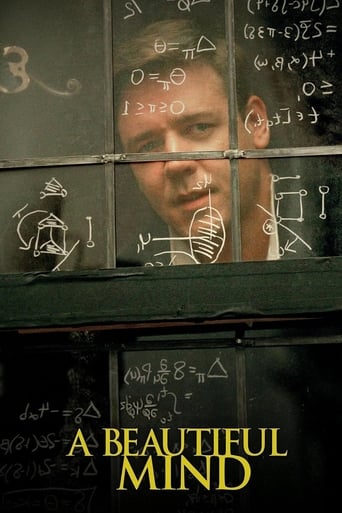 ★ 7.9
 ★ 7.0
 ★ 6.2
 ★ 6.4
 ★ 7.6
 ★ 7.8
Class of 2002Class of 2002
Open the disc (12)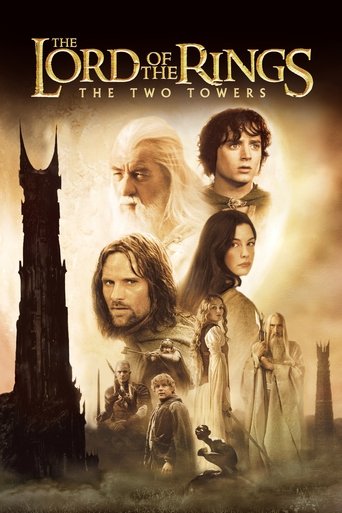 ★ 8.4
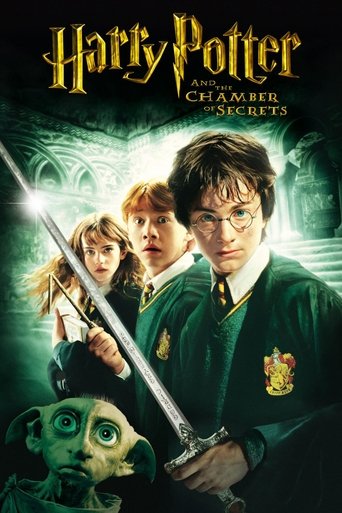 ★ 7.7
 ★ 7.4
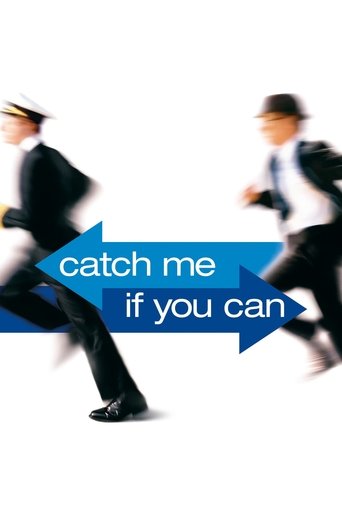 ★ 8.0
 ★ 6.6
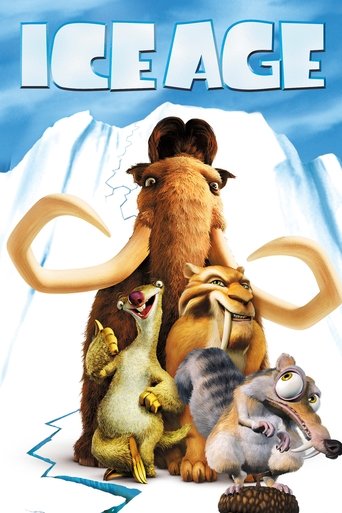 ★ 7.4
 ★ 6.4
 ★ 8.4
 ★ 7.5
 ★ 7.4
 ★ 7.2
 ★ 7.1
Class of 2003Class of 2003
Open the disc (12)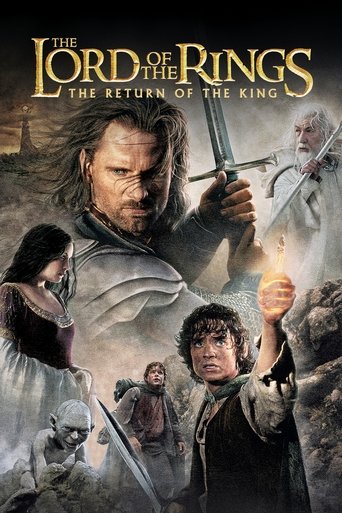 ★ 8.5
 ★ 7.8
 ★ 7.8
 ★ 8.0
 ★ 7.1
 ★ 6.7
 ★ 7.0
 ★ 6.8
 ★ 6.5
 ★ 7.4
 ★ 7.7
 ★ 7.6
Class of 2004Class of 2004
Open the disc (12)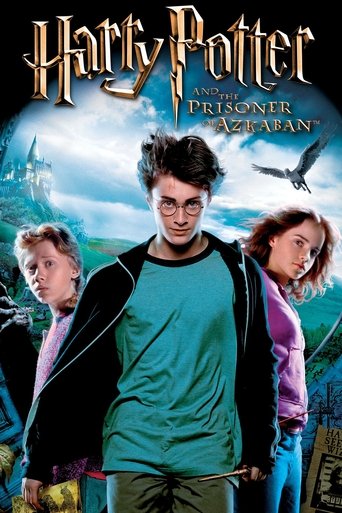 ★ 8.0
 ★ 7.7
 ★ 7.3
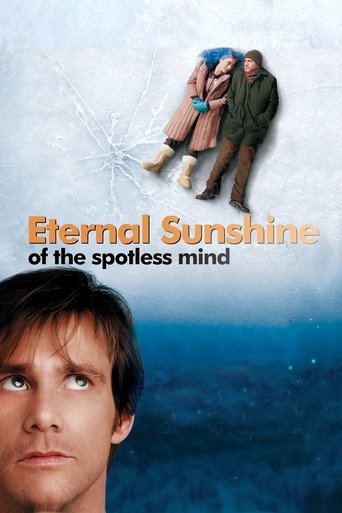 ★ 8.1
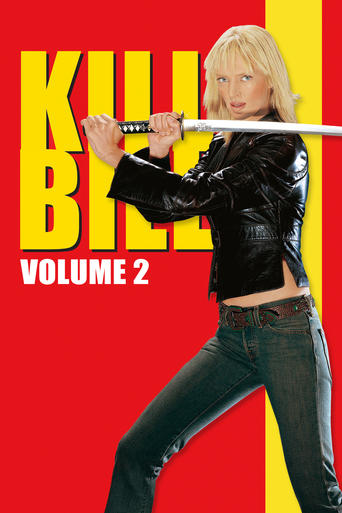 ★ 7.9
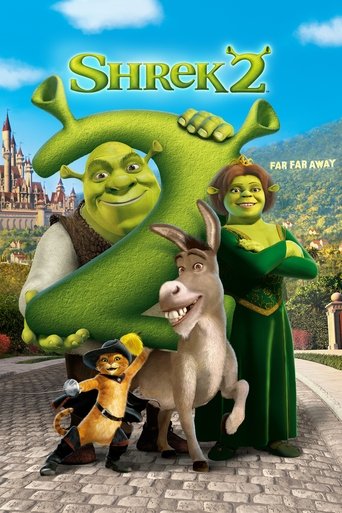 ★ 7.3
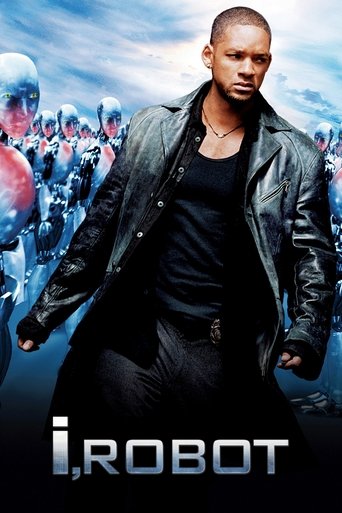 ★ 7.0
 ★ 7.9
 ★ 7.2
 ★ 8.0
 ★ 7.4
 ★ 7.2
Class of 2005Class of 2005
Open the disc (12)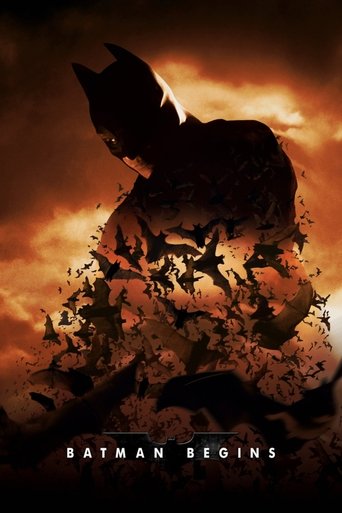 ★ 7.7
 ★ 7.8
 ★ 7.0
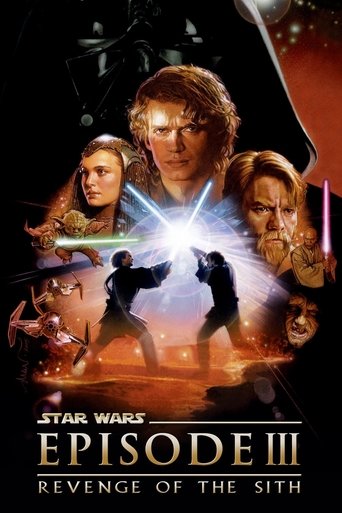 ★ 7.5
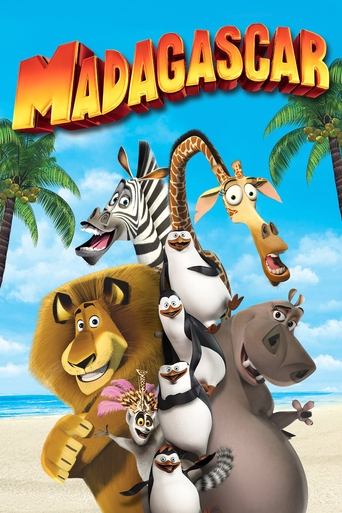 ★ 6.9
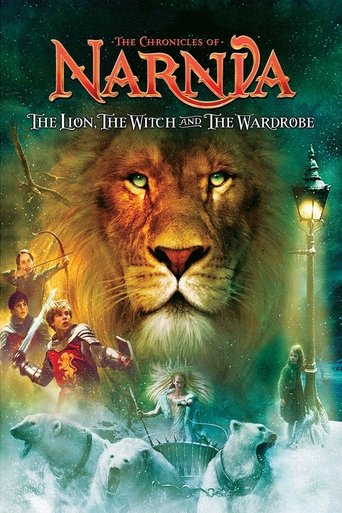 ★ 7.1
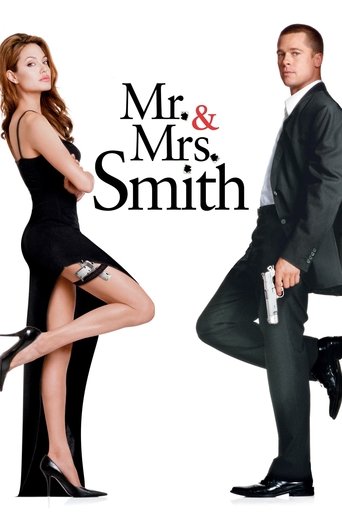 ★ 6.7
 ★ 7.6
 ★ 6.6
 ★ 7.5
 ★ 8.1
 ★ 6.9
Class of 2006Class of 2006
Open the disc (12)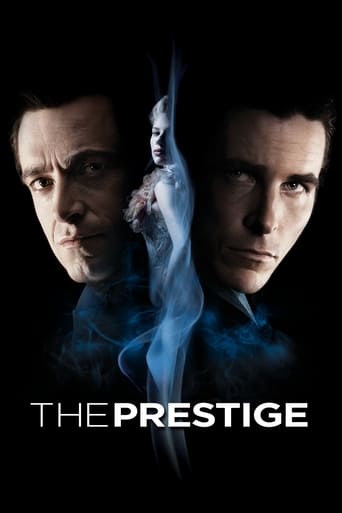 ★ 8.2
 ★ 7.4
 ★ 8.2
 ★ 7.9
 ★ 7.1
 ★ 7.4
 ★ 7.6
 ★ 6.6
 ★ 7.9
 ★ 6.4
 ★ 6.7
 ★ 6.7
Class of 2007Class of 2007
Open the disc (12)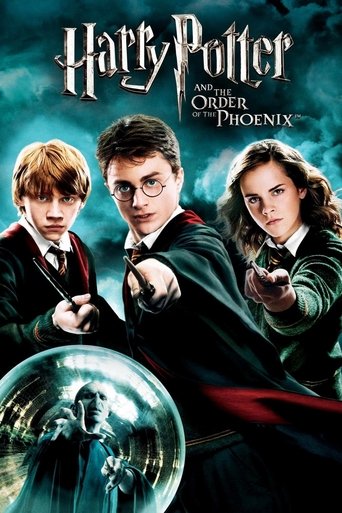 ★ 7.7
 ★ 7.8
 ★ 7.2
 ★ 7.3
 ★ 6.5
 ★ 7.2
 ★ 6.9
 ★ 7.5
 ★ 7.8
 ★ 6.3
 ★ 7.0
 ★ 7.6
Class of 2008Class of 2008
Open the disc (12)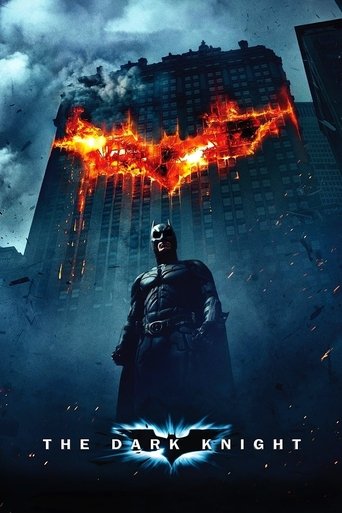 ★ 8.5
 ★ 7.7
 ★ 8.1
 ★ 6.3
 ★ 7.6
 ★ 6.3
 ★ 7.3
 ★ 7.4
 ★ 8.0
 ★ 7.7
 ★ 6.4
 ★ 6.0
Class of 2009Class of 2009
Open the disc (12)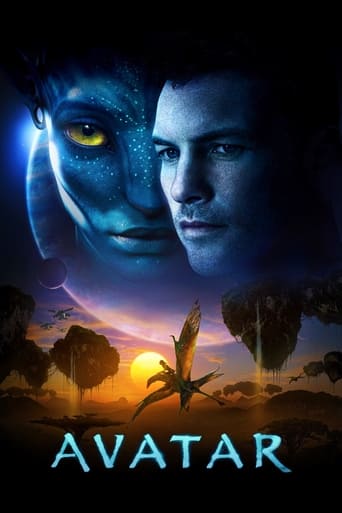 ★ 7.6
 ★ 8.2
 ★ 8.0
 ★ 7.7
 ★ 7.3
 ★ 7.2
 ★ 7.3
 ★ 6.3
 ★ 7.3
 ★ 7.4
 ★ 7.5
 ★ 7.4
FranceFrance in the 2000s
Open the disc (12) ★ 7.9
 ★ 7.4
 ★ 6.4
 ★ 7.7
 ★ 6.7
 ★ 7.9
 ★ 6.8
 ★ 6.3
 ★ 7.2
 ★ 7.2
 ★ 6.9
 ★ 6.7
SpanishSpanish-language cinema in the 2000s
Open the disc (12) ★ 7.8
 ★ 7.2
 ★ 7.2
 ★ 7.6
 ★ 8.0
 ★ 6.6
 ★ 7.5
 ★ 7.4
 ★ 7.0
 ★ 7.6
 ★ 7.4
 ★ 7.3
JapanJapan in the 2000s
Open the disc (12)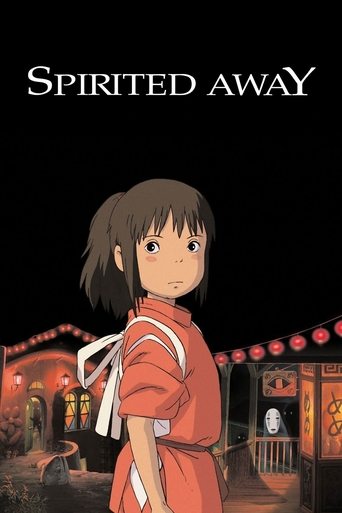 ★ 8.5
 ★ 8.4
 ★ 7.8
 ★ 7.3
 ★ 7.8
 ★ 7.1
 ★ 7.8
 ★ 7.3
 ★ 7.1
 ★ 7.9
 ★ 6.5
 ★ 7.2
KoreaKorea in the 2000s
Open the disc (12)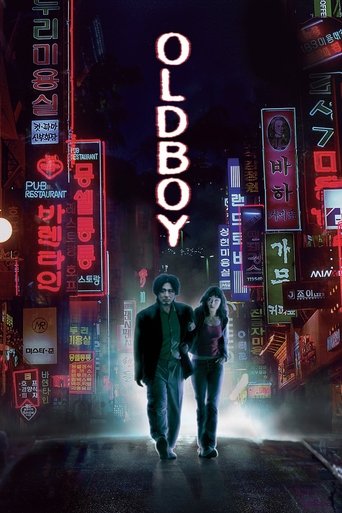 ★ 8.2
 ★ 8.1
 ★ 7.0
 ★ 7.5
 ★ 7.5
 ★ 7.7
 ★ 7.8
 ★ 7.1
 ★ 7.8
 ★ 7.8
 ★ 7.1
 ★ 7.4
ChinaChina and Hong Kong in the 2000s
Open the disc (12) ★ 7.8
 ★ 7.4
 ★ 8.1
 ★ 7.5
 ★ 7.2
 ★ 7.5
 ★ 7.8
 ★ 7.3
 ★ 7.5
 ★ 7.3
 ★ 7.1
 ★ 6.4
HindiHindi cinema in the 2000s
Open the disc (12)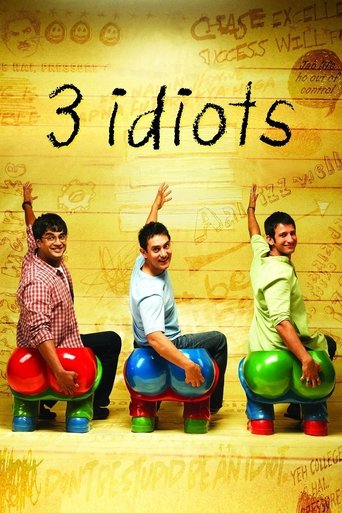 ★ 8.0
 ★ 8.0
 ★ 7.3
 ★ 7.7
 ★ 7.1
 ★ 7.0
 ★ 7.1
 ★ 7.4
 ★ 7.2
 ★ 7.5
 ★ 7.2
 ★ 7.0
The DivXLive guide
DivXLive: the films of the DivX years
The decade of the digital file
The years from 2000 to 2009 changed the way people saw films. The DVD replaced the videotape, broadband reached the home, and for the first time a whole film could fit in a small digital file, often encoded in the DivX format that gave this guide its name. It was also a great decade for cinema itself: the decade of The Lord of the Rings, Harry Potter and The Dark Knight, of Pixar at its peak, and of a wave of films from Japan, Korea, Spain, Mexico and India that reached audiences far from home.
DivXLive is a guide to the films of that decade, with one rule above all: every film page points only to legal services, through the Watch now button. It gathers 192 films on sixteen discs. Ten discs hold the twelve most voted English-language films of each year on TMDB, from the Class of 2000, with Gladiator and Memento, to the Class of 2009, with Avatar and Inglourious Basterds.
Six more discs hold the world cinema of the decade: France, Spanish-language cinema, Japan, Korea, China and Hong Kong, and Hindi cinema. The discs are grouped in three families: 2000 to 2004, 2005 to 2009 and World cinema of the 2000s.
How the discs were filled
Each year disc holds the twelve English-language films of that year with the most votes on TMDB, the open film database, among films rated 6.0 or more. Documentaries and television films are left out, and a film appears only once in the guide. The most voted films are a good picture of what audiences watched most in each year, and they make every disc a time capsule of its year.
The six world discs work the same way across the whole decade: the twelve most voted films of 2000 to 2009 in French, Spanish, Japanese, Korean, Chinese and Hindi. A handful of extreme films were left out by hand, as were two Hindi titles whose wording trips the guide's style rules, so the next films in line took their place.
Every card carries the name of its disc, such as Class of 2004 or Korea, so you always know where it belongs. The cards on each disc run from the most voted film to the least voted, and the shelf on the home page lists the sixteen discs in order: ten years first, then the six countries and languages.
The look of DivXLive
The only pages the Wayback Machine holds at divxlive.com are parked advertising pages, so the design of DivXLive starts from scratch, from the name: the DivX years and the shiny discs of the decade.
The page is night blue, with a faint cyan glow in one corner. Under the dark header runs a thin rainbow line, like the band of light that crosses the surface of a disc, and the logo is a silver disc with a dark centre. The text is set in Verdana and Tahoma, two faces of the computer screens of those years, and the accents are cyan and lime.
The sixteen discs stand on a shelf at the top of the home page, each in a slim blue case with a small silver disc printed on it, catching a rainbow of colours. Each case shows its family in small lime letters, the name of the disc and the number of films it holds. Each row of posters sits on a dark blue panel with a cyan rule, and each poster has a soft silver edge.
1. Class of 2000
The first disc opens the decade with twelve films of 2000, average rating 7.37, three of them rated 8.0 or more. The most voted is Ridley Scott's Gladiator, 21,744 votes and a rating of 8.2, the Roman epic that won the Oscar for best picture. It shares the best rating of the disc with Christopher Nolan's Memento, 8.2, the thriller told backwards about a man who has lost his short-term memory.
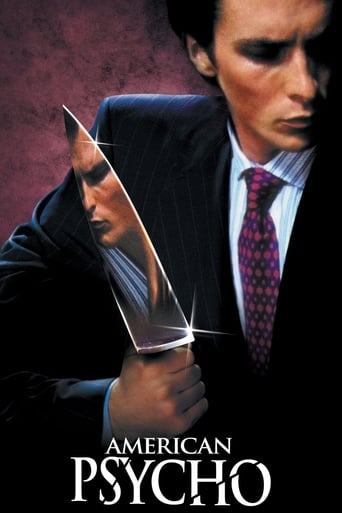
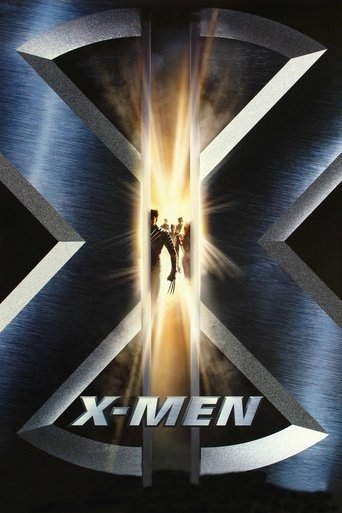
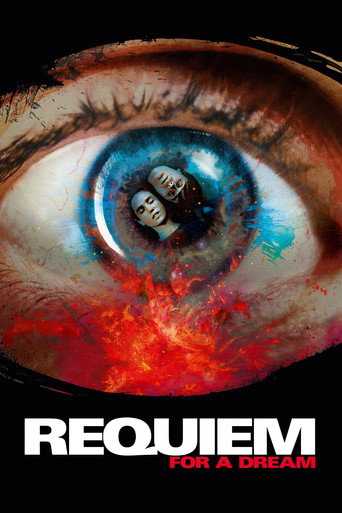
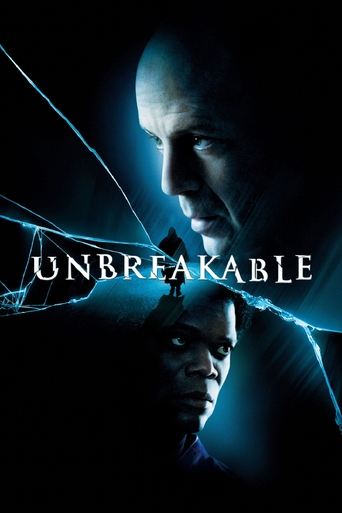
The year had a dark streak. Darren Aronofsky's Requiem for a Dream, rated 8.0, follows four lives undone by drugs, and Mary Harron's American Psycho satirises a Wall Street banker with a secret life. M. Night Shyamalan's Unbreakable imagines a superhero story in the real world, and Bryan Singer's X-Men started the modern age of comic-book films.
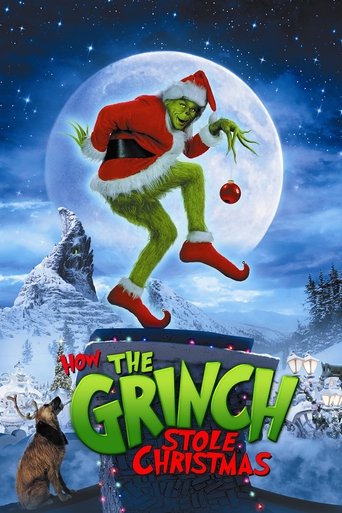
Robert Zemeckis' Cast Away, 7.7, strands Tom Hanks on an island, Guy Ritchie's Snatch, 7.8, is a London crime comedy, and the year's comedies and family films are How the Grinch Stole Christmas, Scary Movie and The Emperor's New Groove, Disney's animated comedy, 7.6. John Woo's Mission: Impossible II has the lowest rating of the disc, 6.1.
2. Class of 2001
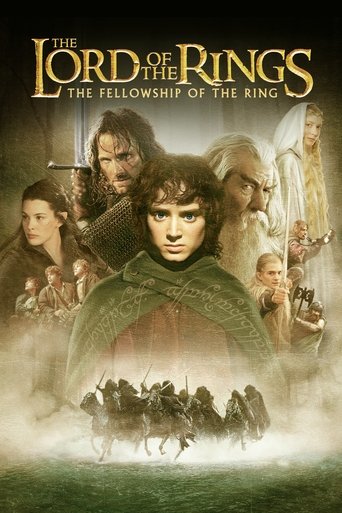
The second disc holds the twelve most voted films of 2001, average rating 7.51, the year two great sagas began. Harry Potter and the Philosopher's Stone by Chris Columbus has the most votes, 30,495, and Peter Jackson's The Lord of the Rings: The Fellowship of the Ring has the best rating, 8.4.
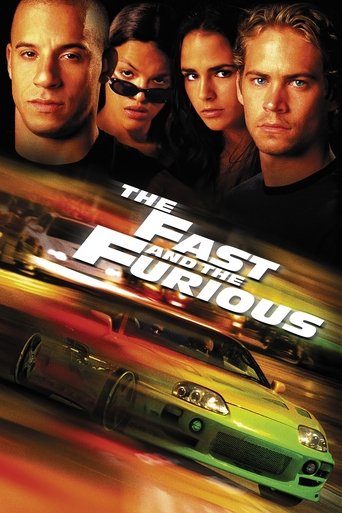
Pixar and DreamWorks both had big years: Monsters, Inc., 7.9, and Shrek, 7.8, the first film to win the Oscar for best animated feature. Ron Howard's A Beautiful Mind, 7.9, about the mathematician John Nash, won best picture. Ocean's Eleven by Steven Soderbergh and The Fast and the Furious began two long series of their own.
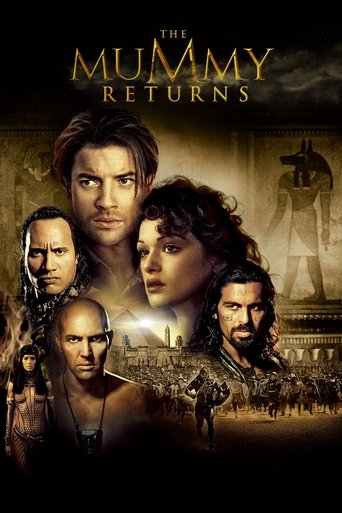
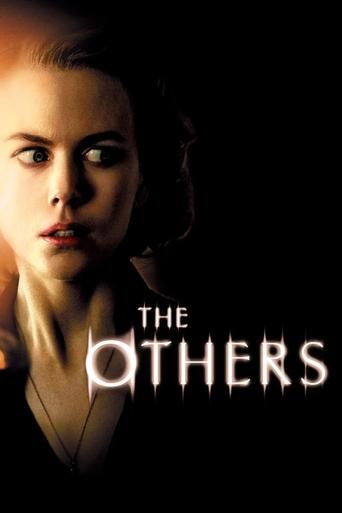
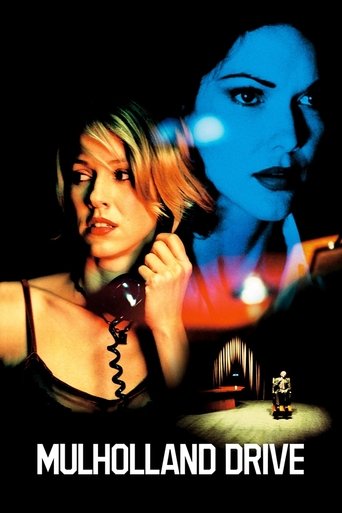
The year also brought three puzzles for the mind: Richard Kelly's Donnie Darko, 7.8, David Lynch's Mulholland Drive, 7.8, and Alejandro Amenábar's ghost story The Others, 7.6. The sequels The Mummy Returns and Jurassic Park III, 6.2, the lowest rating of the disc, complete it.
3. Class of 2002
The third disc holds twelve films of 2002, average rating 7.46. Peter Jackson's The Lord of the Rings: The Two Towers has the most votes, 24,833, and shares the best rating of the disc, 8.4, with Roman Polanski's The Pianist, the story of a Jewish pianist who survives the war in Warsaw.
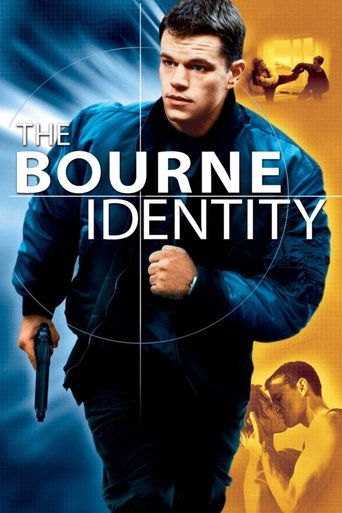
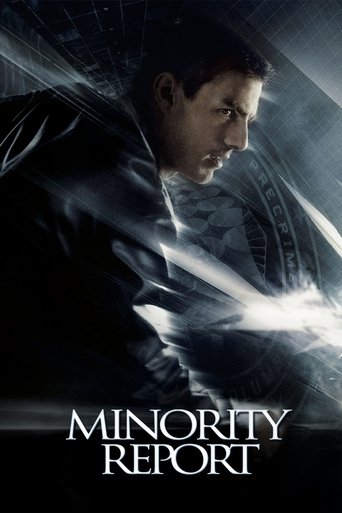
Steven Spielberg has two films on the disc: Catch Me If You Can, 8.0, with Leonardo DiCaprio as a young con artist, and Minority Report, 7.4, with Tom Cruise in a future where crimes are stopped before they happen. Sam Raimi's Spider-Man, 7.4, and Doug Liman's The Bourne Identity, 7.5, began two more series of the decade.
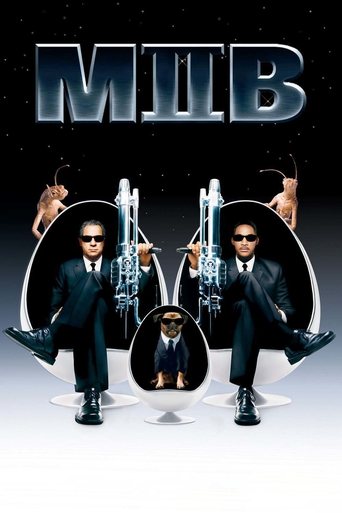
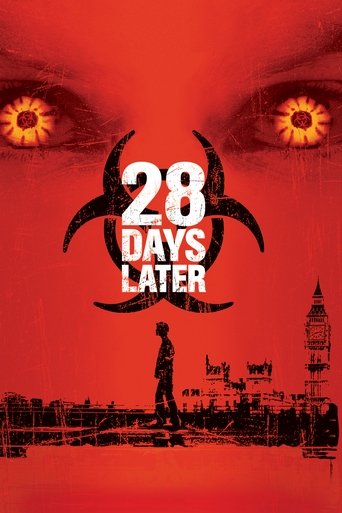
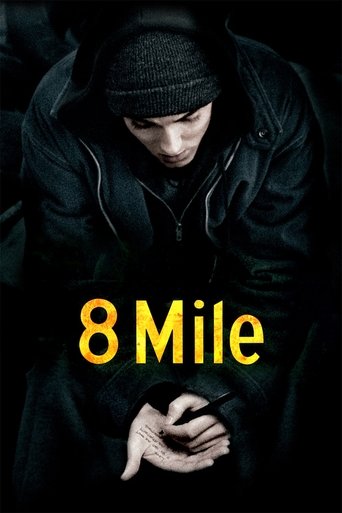
Harry Potter and the Chamber of Secrets, Star Wars: Episode II - Attack of the Clones, the first Ice Age and Men in Black II are the sequels and family films of the year. Danny Boyle's 28 Days Later, 7.2, brought fast zombies to British streets, and Curtis Hanson's 8 Mile tells a story close to the life of the rapper Eminem.
4. Class of 2003
The fourth disc holds twelve films of 2003, average rating 7.42. Peter Jackson's The Lord of the Rings: The Return of the King leads with 27,669 votes and a rating of 8.5, the best of the first half of the decade; it won all eleven Oscars it was nominated for.
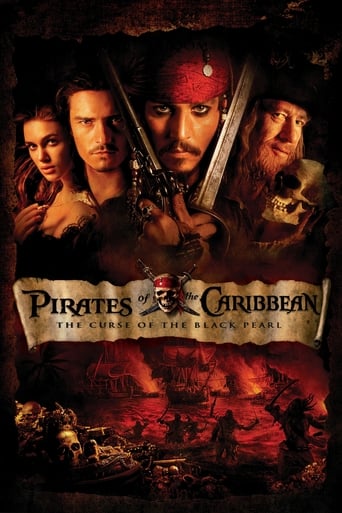
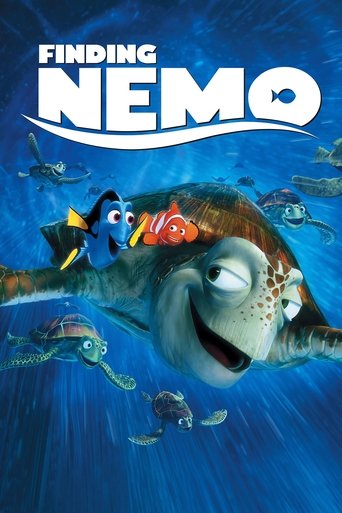
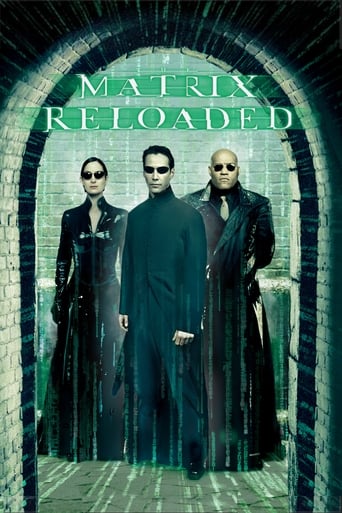
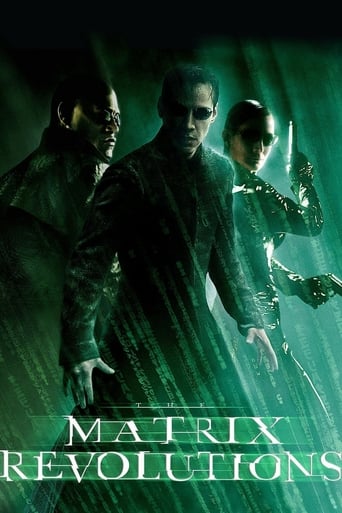
Gore Verbinski's Pirates of the Caribbean: The Curse of the Black Pearl, 7.8, made a pirate of Johnny Depp, and Pixar's Finding Nemo, 7.8, sent a clownfish father across the ocean. Quentin Tarantino's Kill Bill: Vol. 1, 8.0, is a revenge film in the style of Hong Kong and Japanese cinema. The Wachowskis finished their trilogy with The Matrix Reloaded and The Matrix Revolutions, both on this disc.
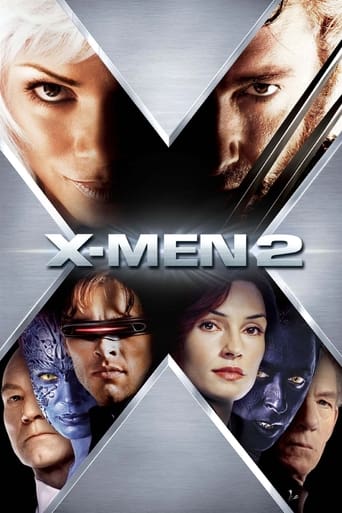
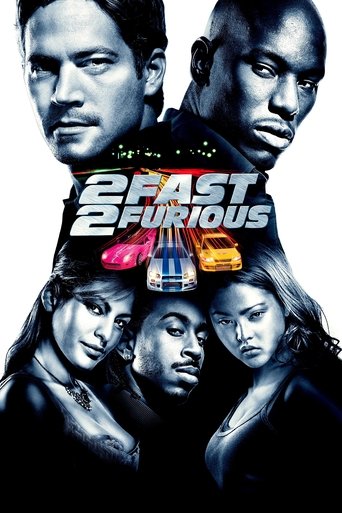
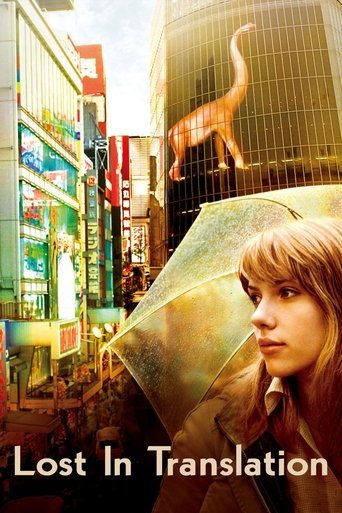
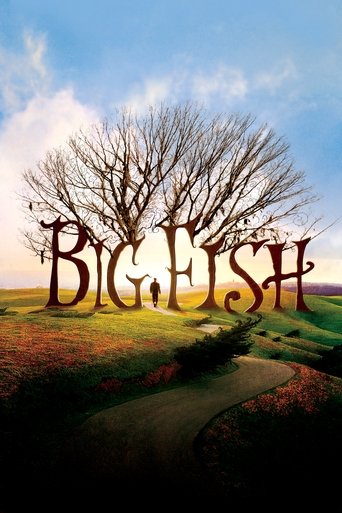
Sofia Coppola's Lost in Translation, 7.4, and Tim Burton's Big Fish, 7.7, are the quiet films of the year. Edward Zwick's The Last Samurai, 7.6, Bruce Almighty, X2 and 2 Fast 2 Furious, 6.5, the lowest rating of the disc, complete it.
5. Class of 2004
The fifth disc holds twelve films of 2004, with the best average rating of the ten year discs, 7.59, and three films rated 8.0 or more. The most voted is Alfonso Cuarón's Harry Potter and the Prisoner of Azkaban, 23,860 votes and 8.0. The best rated is Michel Gondry's Eternal Sunshine of the Spotless Mind, 8.1, about a couple who erase each other from their memories.
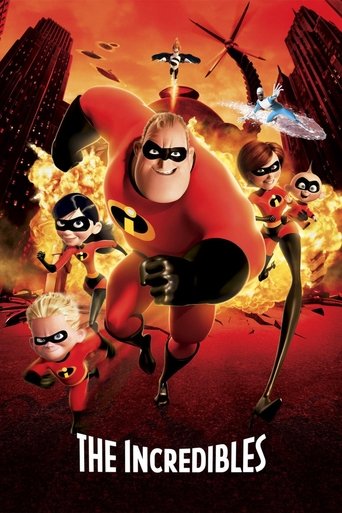
Clint Eastwood's Million Dollar Baby, 8.0, the boxing drama that won best picture, and Quentin Tarantino's Kill Bill: Vol. 2, 7.9, follow. Pixar's The Incredibles, 7.7, Sam Raimi's Spider-Man 2 and Shrek 2 are the family and superhero films of the year.
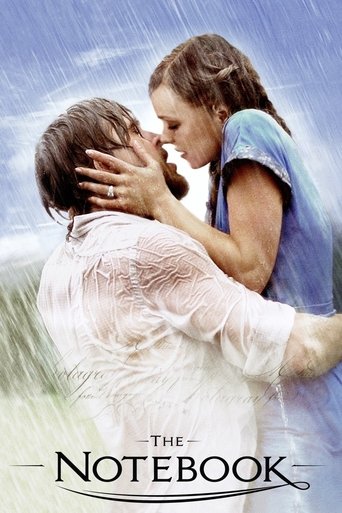
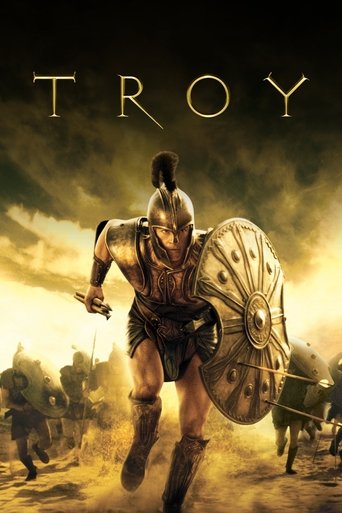
Nick Cassavetes' The Notebook, 7.9, is the romance of the disc, and Mark Waters' Mean Girls its high-school comedy. James Wan's Saw, 7.4, made for a tiny budget, started one of the longest horror series of the decade. Wolfgang Petersen's Troy and Alex Proyas' I, Robot complete the disc.
6. Class of 2005
The sixth disc opens the second half of the decade with twelve films of 2005, average rating 7.29. Christopher Nolan's Batman Begins has the most votes, 23,415, and started a new life for the hero. The best rated film of the disc is Joe Wright's Pride & Prejudice, 8.1, with Keira Knightley as Elizabeth Bennet.
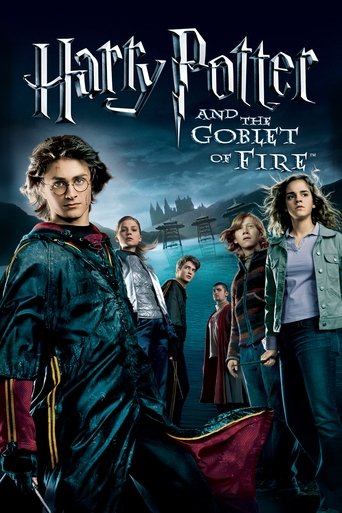
Fantasy fills much of the disc: Mike Newell's Harry Potter and the Goblet of Fire, 7.8, Andrew Adamson's The Chronicles of Narnia: The Lion, the Witch and the Wardrobe, Tim Burton's Charlie and the Chocolate Factory and his stop-motion Corpse Bride, 7.6, and Peter Jackson's King Kong. George Lucas closed his prequel trilogy with Star Wars: Episode III - Revenge of the Sith, 7.5.
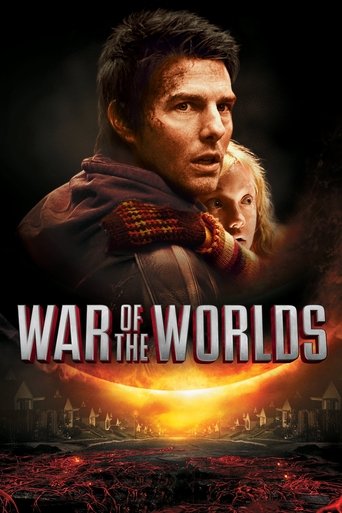
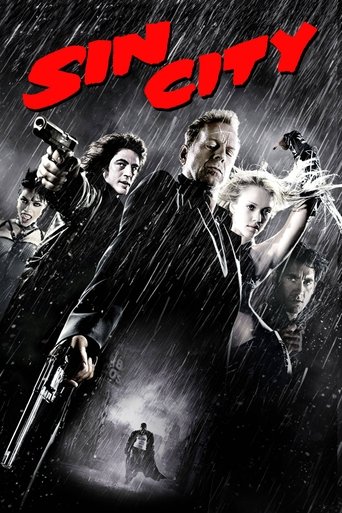
Steven Spielberg's War of the Worlds, 6.6, has the lowest rating of the disc. Robert Rodriguez's Sin City, 7.5, shot like a comic book in black and white, Doug Liman's Mr. & Mrs. Smith and DreamWorks' Madagascar complete the year.
7. Class of 2006
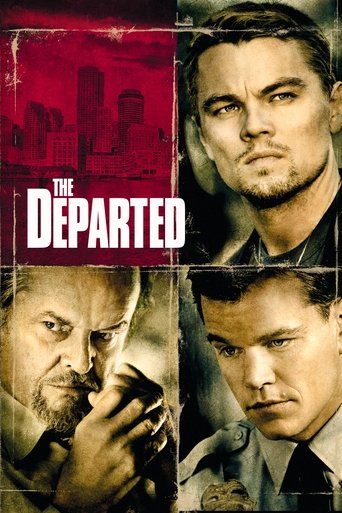
The seventh disc holds twelve films of 2006, average rating 7.34. Two of the best films of the decade share the top rating, 8.2: Christopher Nolan's The Prestige, about two rival magicians, the most voted film of the disc with 18,348 votes, and Martin Scorsese's The Departed, about a mole in the Boston police, which won best picture.
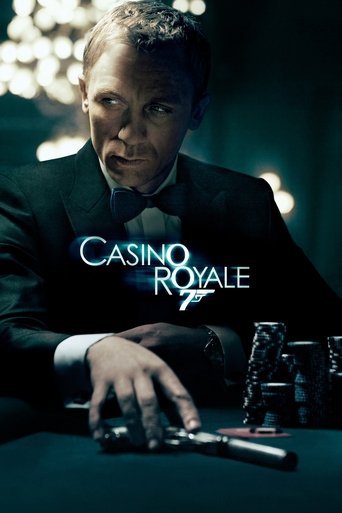
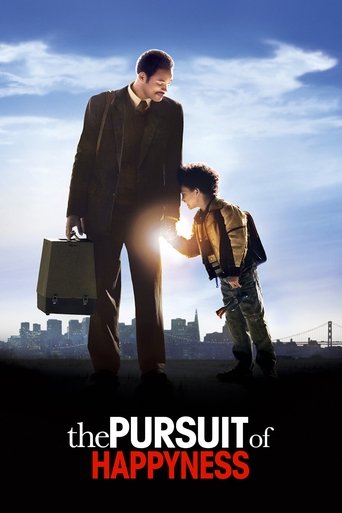
James McTeigue's V for Vendetta, 7.9, and Gabriele Muccino's The Pursuit of Happyness, 7.9, with Will Smith as a homeless father who fights his way into a stockbroker's job, follow. Martin Campbell's Casino Royale, 7.6, gave James Bond a new face with Daniel Craig.
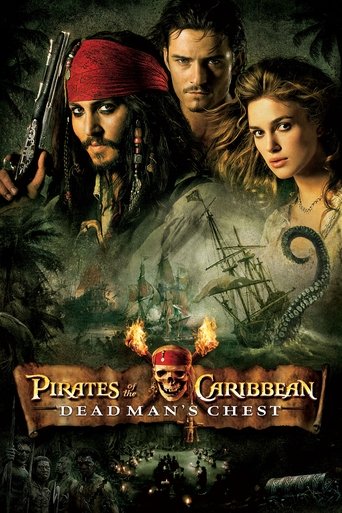
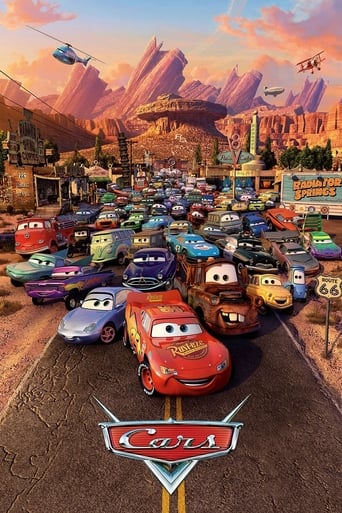
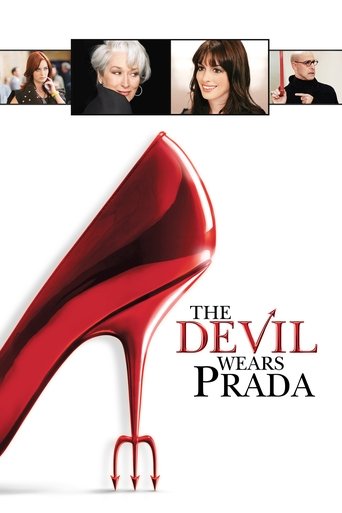
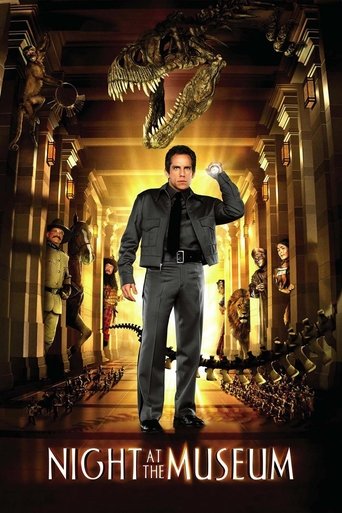
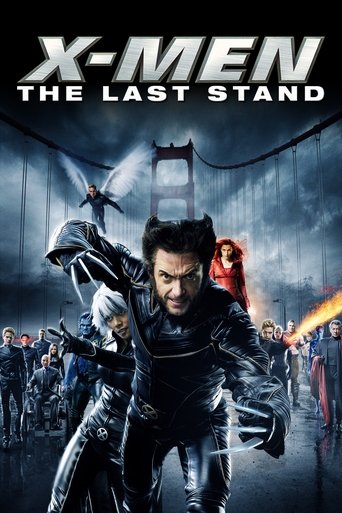
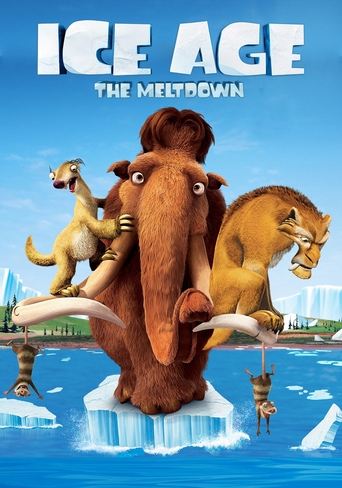
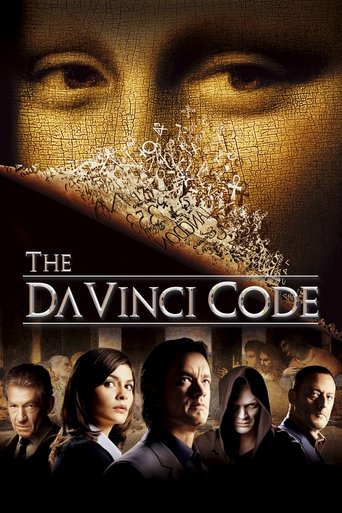
The rest of the disc is a year of big entertainment: Pirates of the Caribbean: Dead Man's Chest, Pixar's Cars, The Devil Wears Prada, Night at the Museum, Ice Age: The Meltdown, Ron Howard's The Da Vinci Code and X-Men: The Last Stand, which has the lowest rating of the disc, 6.4.
8. Class of 2007
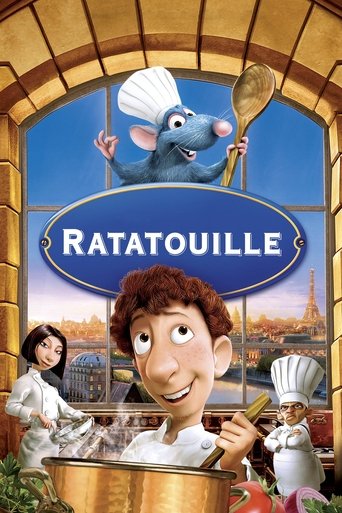
The eighth disc holds twelve films of 2007, average rating 7.23, the lowest of the ten year discs, and the only one where every film is rated below 8.0. The most voted is David Yates' Harry Potter and the Order of the Phoenix, 21,399 votes, and the best rated is Pixar's Ratatouille, 7.9, about a rat who dreams of being a chef in Paris.
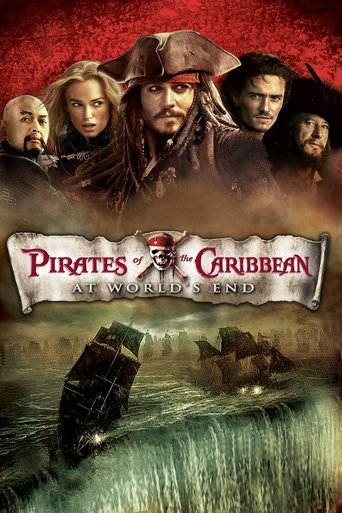
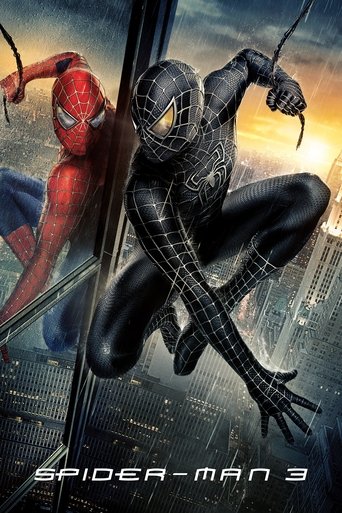
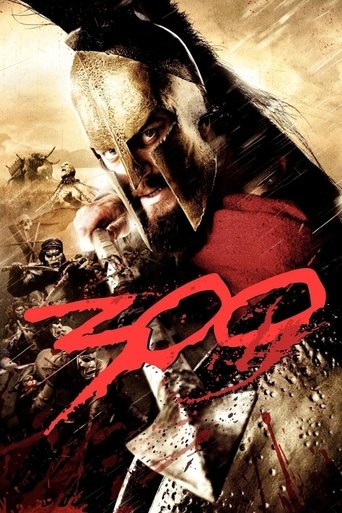
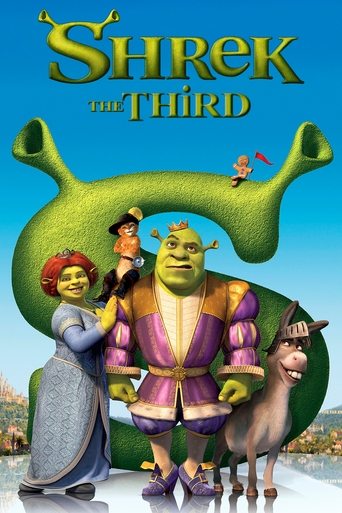
The year was full of third parts: Sam Raimi's Spider-Man 3, 6.5, Pirates of the Caribbean: At World's End and Shrek the Third, 6.3, the lowest rating of the disc. Michael Bay's Transformers and Zack Snyder's 300 were two of the big spectacles of the year.
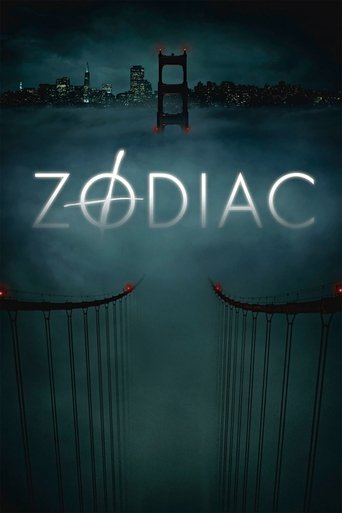
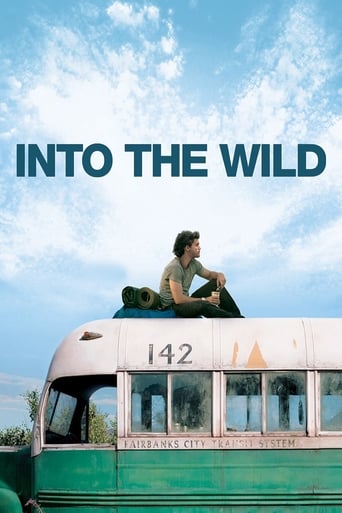
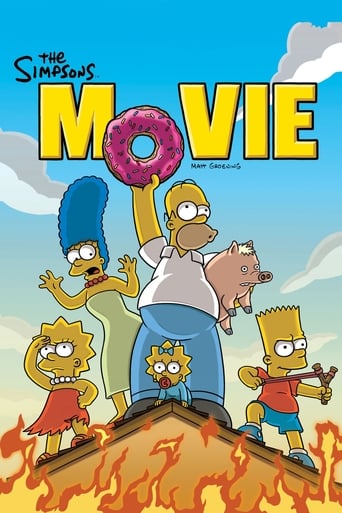
The serious films of the disc are David Fincher's Zodiac, 7.5, about the hunt for a serial killer in San Francisco, and Sean Penn's Into the Wild, 7.8, about a young man who walks into the Alaskan wilderness. Francis Lawrence's I Am Legend, The Simpsons Movie and Edgar Wright's Hot Fuzz, 7.6, complete it.
9. Class of 2008
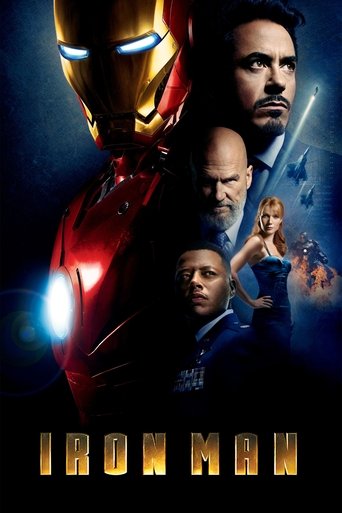
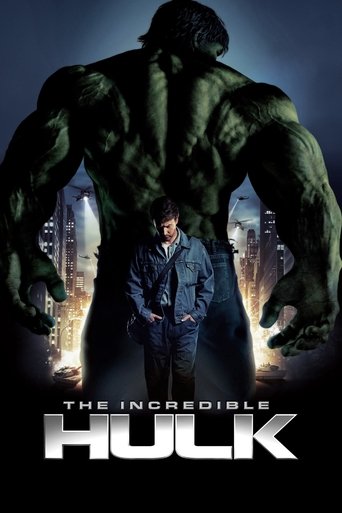
The ninth disc holds twelve films of 2008, average rating 7.28, with the most voted film of the whole guide: Christopher Nolan's The Dark Knight, 37,083 votes and a rating of 8.5, with Heath Ledger as the Joker. The year also began the Marvel Cinematic Universe with Jon Favreau's Iron Man, 7.7, and The Incredible Hulk.
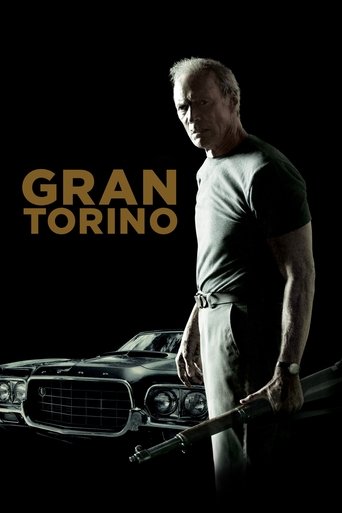
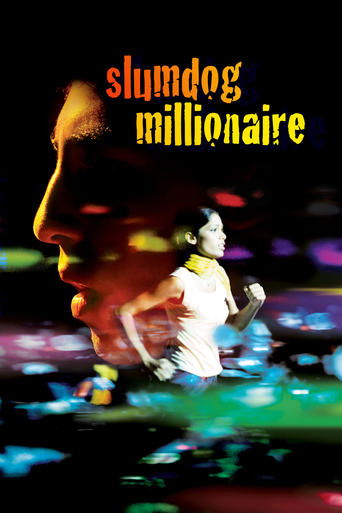
Pixar's WALL·E, 8.1, a nearly silent story of a lonely robot on an empty Earth, is the second best rated film of the disc, and Clint Eastwood's Gran Torino, 8.0, the third. Danny Boyle's Slumdog Millionaire, 7.7, about a boy from the slums of Mumbai on a television quiz show, won best picture.
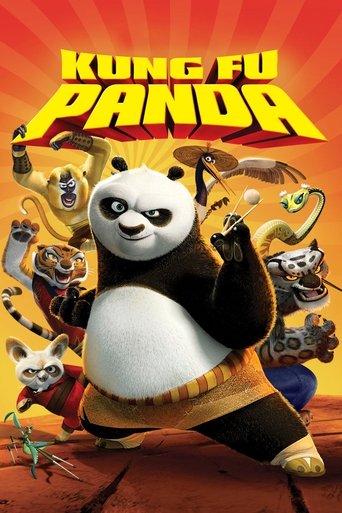
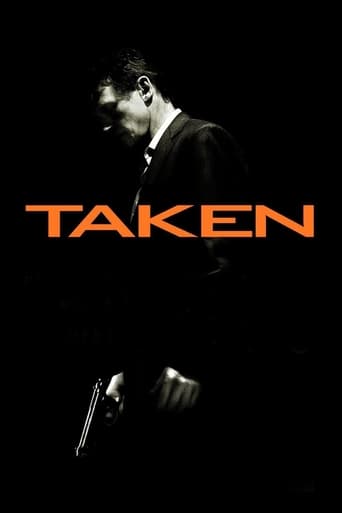
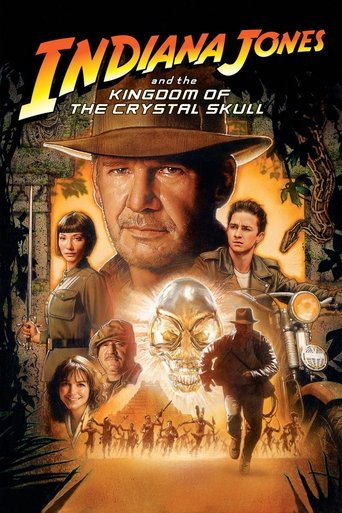
David Fincher's The Curious Case of Benjamin Button, 7.6, follows a man who ages backwards. Taken, 7.4, made Liam Neeson an action star, Twilight began a saga of its own, and Kung Fu Panda and Hancock were the family and superhero films of the summer. Indiana Jones and the Kingdom of the Crystal Skull, 6.0, has the lowest rating of the guide.
10. Class of 2009
The last year disc holds twelve films of 2009, average rating 7.43. James Cameron's Avatar, 34,912 votes, the second most voted film of the guide, opened a new age of 3D cinema. The best rated film of the disc is Quentin Tarantino's Inglourious Basterds, 8.2, followed by Pixar's Up, 8.0.
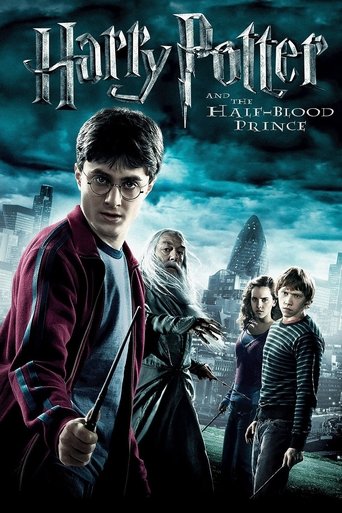
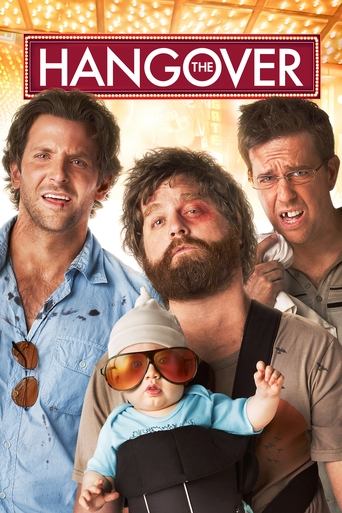
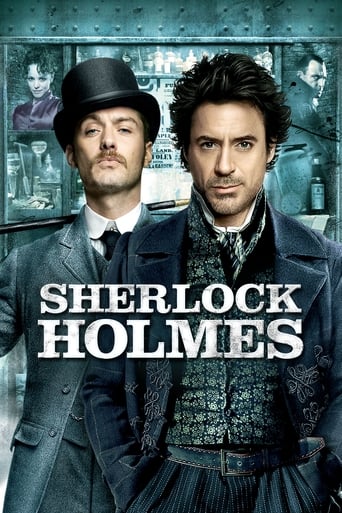
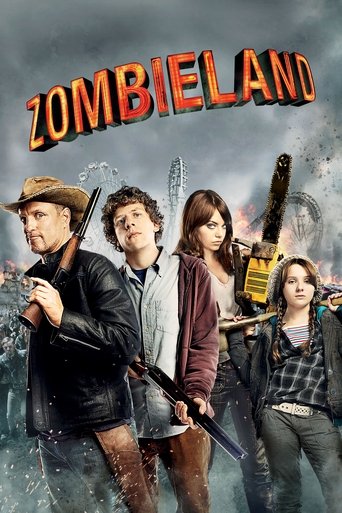
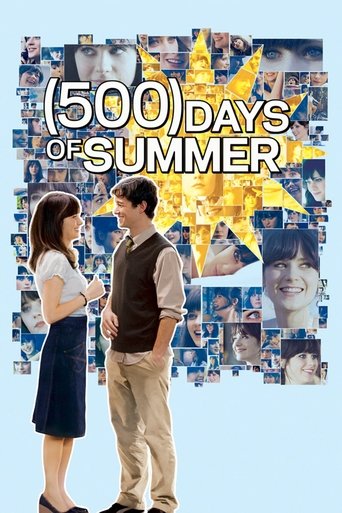
David Yates' Harry Potter and the Half-Blood Prince, 7.7, was the sixth film of the series. Todd Phillips' The Hangover, Ruben Fleischer's Zombieland and Marc Webb's (500) Days of Summer are the comedies of the year, and Guy Ritchie's Sherlock Holmes gave the detective an action hero's energy.
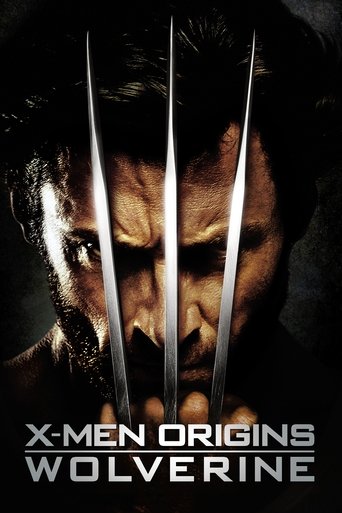
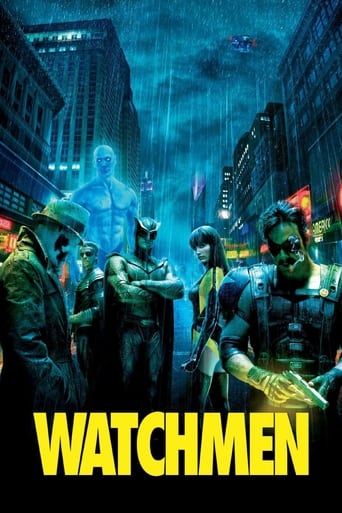
Science fiction closes the decade: J.J. Abrams' Star Trek, 7.4, Neill Blomkamp's District 9, 7.5, set in a refugee camp for aliens in Johannesburg, and Zack Snyder's Watchmen. X-Men Origins: Wolverine, 6.3, has the lowest rating of the disc.
11. France in the 2000s
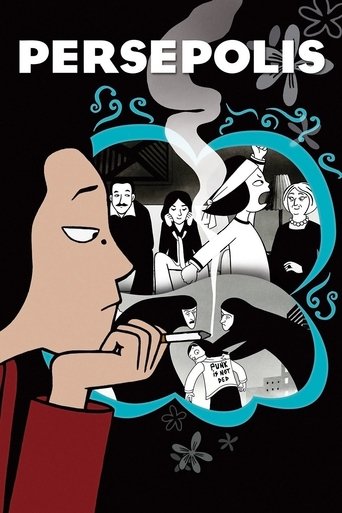
The first world disc holds the twelve most voted French films of the decade, average rating 7.10. The most voted is Jean-Pierre Jeunet's Amélie, 2001, 12,770 votes and 7.9, the story of a shy young woman in Montmartre who secretly arranges happiness for the people around her. It shares the best rating of the disc with Marjane Satrapi's animated Persepolis, 2007, 7.9, about a girl growing up in Iran.
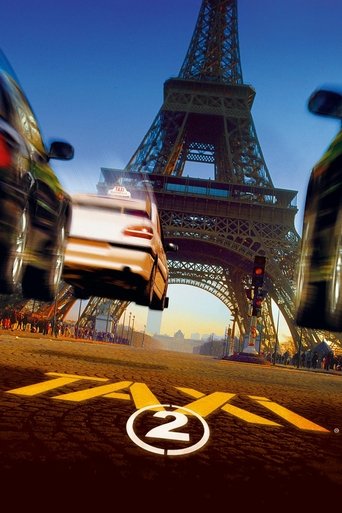
Comedy is the strongest genre of the disc. Alain Chabat's Asterix & Obelix: Mission Cleopatra, 2002, Dany Boon's Welcome to the Sticks, 2008, Gérard Krawczyk's Taxi 2, 2000, and Michel Hazanavicius' OSS 117: Cairo, Nest of Spies, 2006, a spy parody with Jean Dujardin, are all here.
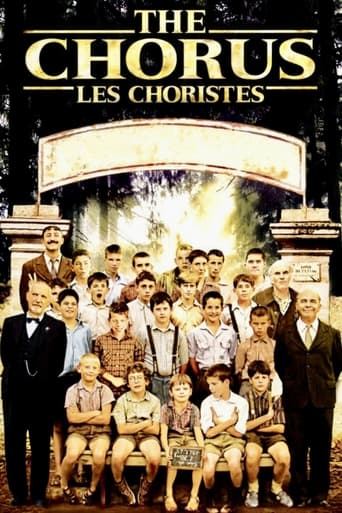
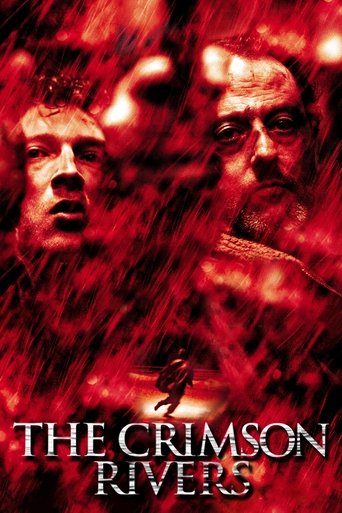
Christophe Barratier's The Chorus, 2004, 7.7, follows a teacher and a boys' choir. Luc Besson's Arthur and the Invisibles mixes live action and animation. The action films of the disc are Pierre Morel's District B13, The Crimson Rivers and Christophe Gans' Brotherhood of the Wolf, and Love Me If You Dare is its romance.
12. Spanish-language cinema in the 2000s
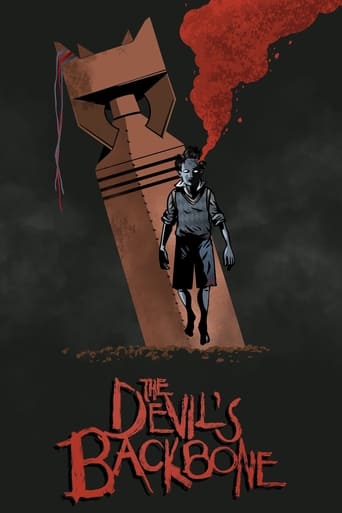
The second world disc holds the twelve most voted Spanish-language films of the decade, from Spain, Mexico and Argentina, average rating 7.39. The most voted is Guillermo del Toro's Pan's Labyrinth, 2006, 11,859 votes, a dark fairy tale set after the Spanish Civil War. Del Toro has a second film here, The Devil's Backbone, 2001, a ghost story in an orphanage during the same war.
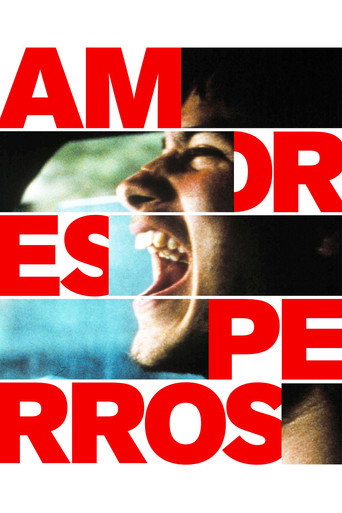
The best rated film of the disc is Juan José Campanella's The Secret in Their Eyes, 2009, rated 8.0, the Argentine thriller that won the Oscar for best foreign-language film. Pedro Almodóvar has two films: Talk to Her, 2002, 7.6, and Volver, 2006, 7.5. Alejandro G. Iñárritu's Amores Perros, 2000, 7.6, and Alfonso Cuarón's Y Tu Mamá También, 2001, brought the new Mexican cinema to the world.
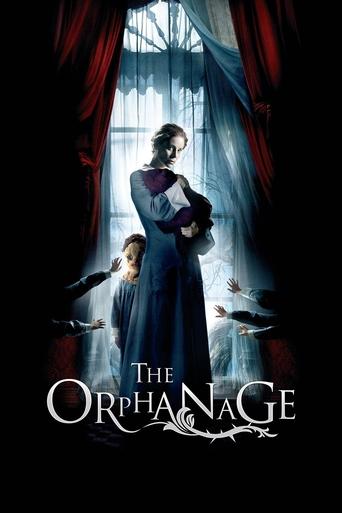
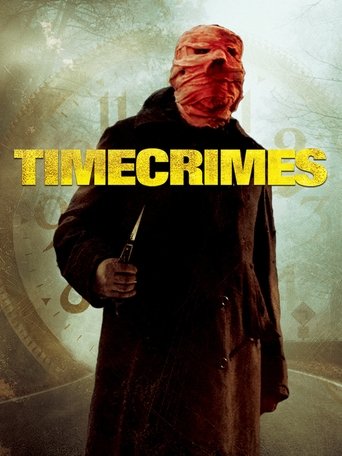
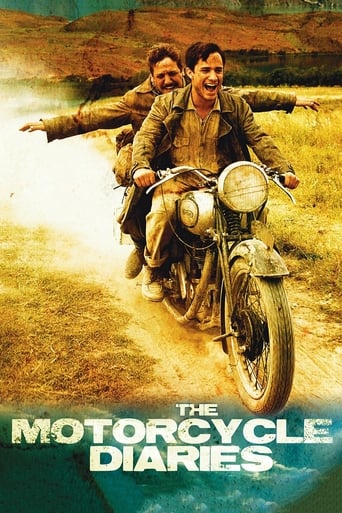
Spanish horror had a golden decade: [REC] and [REC]², two found-footage films set in a quarantined apartment building, and J. A. Bayona's The Orphanage, 2007. Nacho Vigalondo's Timecrimes is a small time-travel thriller, and Walter Salles' The Motorcycle Diaries follows the young Che Guevara across South America.
13. Japan in the 2000s
The third world disc holds the twelve most voted Japanese films of the decade, average rating 7.56, ten of them animated. Hayao Miyazaki has three: Spirited Away, 2001, rated 8.5, the most voted and best rated film of the disc and one of the three best rated films of the guide, Howl's Moving Castle, 2004, 8.4, and Ponyo, 2008. His son Goro Miyazaki directed Tales from Earthsea, 2006, and Studio Ghibli also made The Cat Returns, 2002.
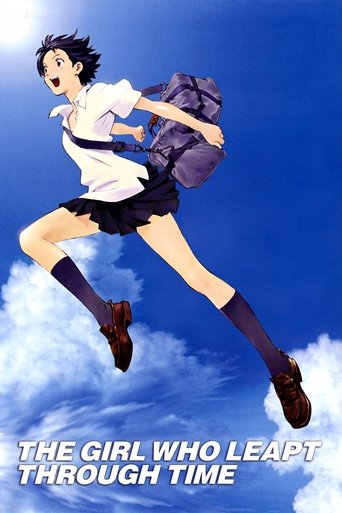
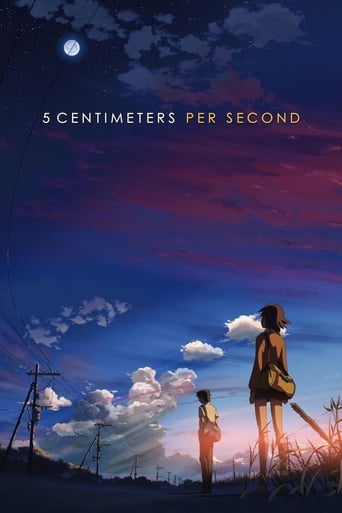
Satoshi Kon has two films: Paprika, 2006, a dream thriller, and Tokyo Godfathers, 2003, 7.9, about three homeless people who find a baby on Christmas Eve. Mamoru Hosoda's The Girl Who Leapt Through Time, 2006, and Makoto Shinkai's 5 Centimeters per Second, 2007, brought two new names of anime to the world. Final Fantasy VII: Advent Children is a computer-animated film from the video game.
The two live-action films are both strong stuff. Kinji Fukasaku's Battle Royale, 2000, sends a school class to an island where only one can survive, and Takashi Miike's Audition, 2000, starts as a love story and turns into horror.
14. Korea in the 2000s
The fourth world disc holds the twelve most voted Korean films of the decade, with an average rating of 7.59, level with the Class of 2004 at the top of the sixteen discs. It is the disc of the Korean new wave. Park Chan-wook has four films: Oldboy, 2003, the most voted and best rated film of the disc, 8.2, Sympathy for Mr. Vengeance, 2002, Lady Vengeance, 2005, the three films of his vengeance trilogy, and the vampire film Thirst, 2009.
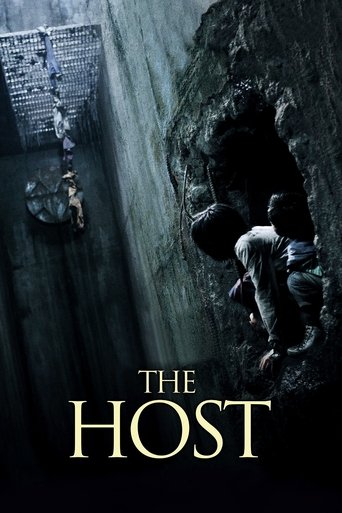
Bong Joon Ho has three films: Memories of Murder, 2003, rated 8.1, about the hunt for a serial killer in the countryside, The Host, 2006, a monster film set on the Han River, and Mother, 2009, 7.7. Kim Jee-woon has two, the horror film A Tale of Two Sisters, 2003, and the gangster film A Bittersweet Life, 2005.
Kim Ki-duk has two quiet films: 3-Iron, 2004, and Spring, Summer, Fall, Winter... and Spring, 2003, both rated 7.8, set in a floating temple and in empty houses. Na Hong-jin's The Chaser, 2008, 7.8, a thriller set in Seoul, completes the disc.
15. China and Hong Kong in the 2000s
The fifth world disc holds the twelve most voted films of the decade in Chinese, half in Mandarin and half in Cantonese, average rating 7.41. The most voted is Wilson Yip's Ip Man, 2008, 7.8, with Donnie Yen as the master of Bruce Lee. The best rated is Wong Kar-wai's In the Mood for Love, 2000, 8.1, about two neighbours in 1960s Hong Kong.
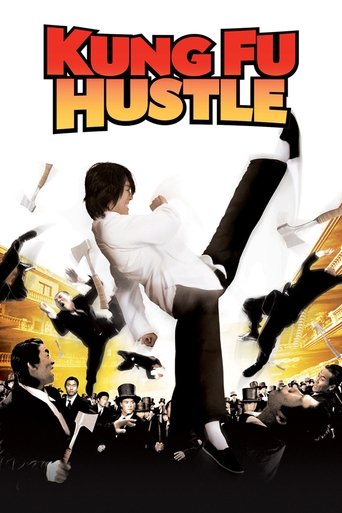
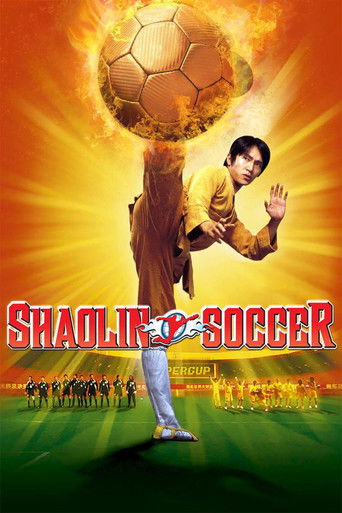
Wuxia, the martial-arts epic, had a great decade: Ang Lee's Crouching Tiger, Hidden Dragon, 2000, which won the Oscar for best foreign-language film, Zhang Yimou's Hero, 2002, and House of Flying Daggers, 2004, Ronny Yu's Fearless, 2006, with Jet Li, and John Woo's Red Cliff, 2008. Stephen Chow made the comedies of the decade, Shaolin Soccer, 2001, and Kung Fu Hustle, 2004.
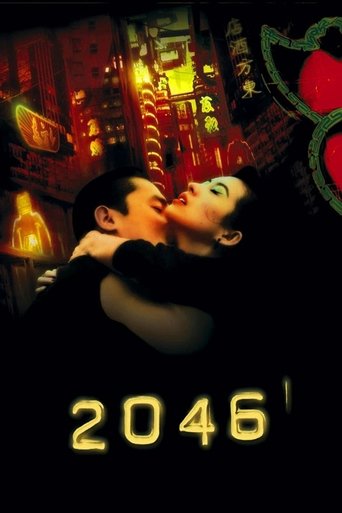
The crime thriller Infernal Affairs, 2002, 7.8, later remade as The Departed, follows a mole in the police and a mole in the triads. Wong Kar-wai has two more films here: 2046, 2004, and My Blueberry Nights, 2007, which he shot in the United States.
16. Hindi cinema in the 2000s
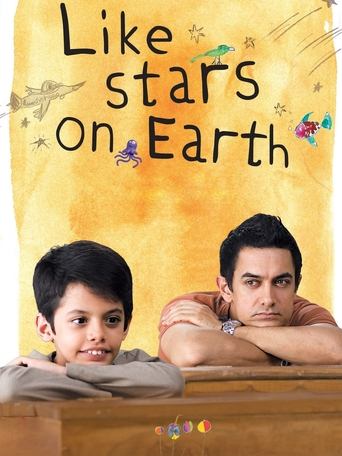
The last disc holds the twelve most voted Hindi films of the decade, average rating 7.38. The most voted and one of the two best rated is Rajkumar Hirani's 3 Idiots, 2009, rated 8.0, a comedy about three friends at an engineering college. The other is Like Stars on Earth, 2007, also 8.0, directed by Aamir Khan, about a boy with dyslexia and the art teacher who helps him.
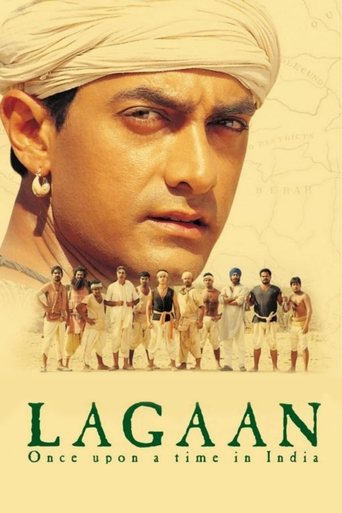
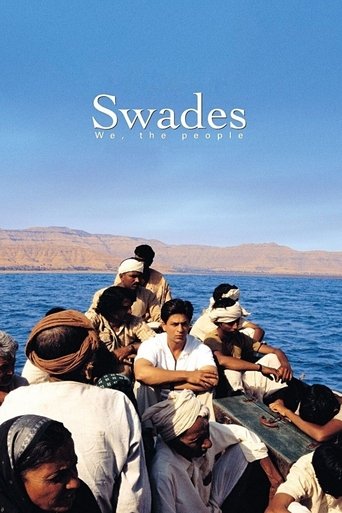
Aamir Khan is the star of the decade on this disc: besides the teacher of Like Stars on Earth, he leads 3 Idiots, Ashutosh Gowariker's Lagaan: Once Upon a Time in India, 2001, about a village that bets its taxes on a cricket match, Rang De Basanti, 2006, and Ghajini, 2008. Gowariker also directed Swades, 2004, 7.4, with Shah Rukh Khan as a scientist who returns to his village.
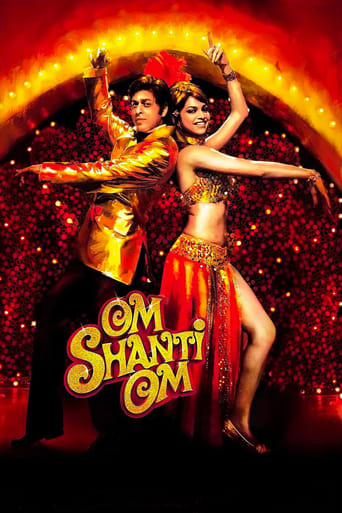
Shah Rukh Khan leads four more films: Karan Johar's Kabhi Khushi Kabhie Gham, 2001, 7.7, Sanjay Leela Bhansali's Devdas, 2002, 7.5, Farah Khan's Om Shanti Om, 2007, and the hockey film Chak De! India, 2007. Hirani's Munna Bhai M.B.B.S., 2003, and Neeraj Pandey's thriller A Wednesday!, 2008, complete the disc.
Animated films of the decade
The collection Animated gathers the 29 animated films of DivXLive, most voted first, with an average rating of 7.48. The 2000s were the decade when computer animation took over the cinema, and Pixar made one hit after another: Monsters, Inc., Finding Nemo, The Incredibles, Cars, Ratatouille, WALL·E and Up are all here. Up, of 2009, is the most voted animated film of the guide.
DreamWorks answered with Shrek, Shrek 2 and Shrek the Third, Madagascar and Kung Fu Panda, and Blue Sky with Ice Age and Ice Age: The Meltdown. Tim Burton's stop-motion Corpse Bride and The Simpsons Movie bring other styles of animation, and The Emperor's New Groove is the one hand-drawn Disney film of the list.
The world discs add twelve more: Spirited Away, Howl's Moving Castle, Ponyo, The Cat Returns, Tales from Earthsea, Paprika, Tokyo Godfathers, The Girl Who Leapt Through Time, 5 Centimeters per Second and Final Fantasy VII: Advent Children from Japan, and Persepolis and Arthur and the Invisibles from France. Spirited Away, rated 8.5, is the best rated of them all.
Horror of the decade
The collection Horror gathers the thirteen horror films of DivXLive, with an average rating of 7.15. The 2000s were a busy decade for horror on every continent. In English, there are Danny Boyle's 28 Days Later, Alejandro Amenábar's The Others, James Wan's Saw and the horror comedy Zombieland.
Spain gave the decade three of its best horror films: [REC] and [REC]², shot as if by a television crew trapped in a building, and J. A. Bayona's The Orphanage. Guillermo del Toro's The Devil's Backbone is a ghost story of the Spanish Civil War, and the French Brotherhood of the Wolf mixes horror, history and martial arts.
Asia gave four: Bong Joon Ho's monster film The Host, Kim Jee-woon's A Tale of Two Sisters, Park Chan-wook's vampire film Thirst and Takashi Miike's Audition. Two of them, [REC] and A Tale of Two Sisters, were later remade in English.
Rated 7.5 or more
The collection Rated 7.5 or more gathers the 91 films of the guide rated 7.5 or higher on TMDB, best first, with an average of 7.84. That is almost half of the guide, and it shows how much good cinema the decade produced.
Three films share the top rating, 8.5: The Lord of the Rings: The Return of the King, The Dark Knight and Spirited Away. Four follow at 8.4: The Fellowship of the Ring, The Two Towers, The Pianist and Howl's Moving Castle. Then come Gladiator, Memento, The Prestige, The Departed, Inglourious Basterds and Oldboy, all at 8.2.
The world discs are strong in this collection. Korea has eight films in it, including Oldboy, Memories of Murder and The Chaser; Japan and China and Hong Kong have six each. Among the years, 2001 leads with nine. If you want the best of the decade, open this list and work down from the top.
Some of the strongest films of the collection come from the cheaper corners of the decade. Memento was made by a young director with a small budget, Oldboy and Memories of Murder were made for the Korean market, and Spirited Away and Howl's Moving Castle were drawn by hand in a Tokyo studio. Next to them stand the great studio films of the years, from Gladiator and The Departed to The Dark Knight, so the collection is a fair picture of the whole decade, big and small.
The figures
DivXLive holds 192 films, all released from 2000 to 2009, with an average rating of 7.40 and 1,947,189 votes on TMDB in all. 120 are in English, twelve each in French, Spanish, Japanese, Korean and Hindi, and twelve in Chinese, six in Mandarin and six in Cantonese. 91 films are rated 7.5 or more and 28 are rated 8.0 or more.
The most voted films are The Dark Knight, 37,083 votes, Avatar, 34,912, Harry Potter and the Philosopher's Stone, 30,495, Iron Man, 29,066, and The Fellowship of the Ring, 28,677. The best rated are The Return of the King, The Dark Knight and Spirited Away, all at 8.5.
The average film runs 122 minutes, and the whole guide runs 23,395 minutes, more than sixteen days. The longest films are Hindi epics: Lagaan, 233 minutes, Kabhi Khushi Kabhie Gham, 209, and Swades, 195, followed by The Return of the King, 201. The shortest is Makoto Shinkai's 5 Centimeters per Second, 63 minutes, followed by The Cat Returns, 75, and Corpse Bride, 77.
The directors and stars of the decade
Four directors have four films each in the guide. Christopher Nolan made Memento, Batman Begins, The Prestige and The Dark Knight, the most voted film of the guide. Peter Jackson made the three Lord of the Rings films and King Kong. Park Chan-wook made the three films of his vengeance trilogy and Thirst. Steven Spielberg made Catch Me If You Can, Minority Report, War of the Worlds and Indiana Jones and the Kingdom of the Crystal Skull.
Quentin Tarantino, Gore Verbinski, Sam Raimi, Andrew Adamson, Ron Howard and Hayao Miyazaki have three each. Tarantino's are the two Kill Bill films and Inglourious Basterds; Verbinski's the three Pirates of the Caribbean films; Raimi's the three Spider-Man films.
Among the actors, Ian McKellen leads seven films, more than anyone else: the three Lord of the Rings films as Gandalf, three X-Men films as Magneto and The Da Vinci Code. Brad Pitt leads six, from Snatch and Ocean's Eleven to Inglourious Basterds. Daniel Radcliffe, Rupert Grint and Emma Watson lead six Harry Potter films each, and Hugh Jackman, Johnny Depp, Will Smith, Aamir Khan and Tony Leung Chiu-wai lead five each.
The sagas of the decade
The 2000s were the decade of the long series, and the year discs follow them film by film. Harry Potter has six films in the guide, from The Philosopher's Stone of 2001 to The Half-Blood Prince of 2009. The Lord of the Rings has all three films, one each year from 2001 to 2003. Pirates of the Caribbean has three, in 2003, 2006 and 2007, and so do Spider-Man, in 2002, 2004 and 2007, and Shrek, in 2001, 2004 and 2007.
X-Men has four films, from X-Men of 2000 through X2 and The Last Stand to X-Men Origins: Wolverine of 2009. The Matrix closed its trilogy with two films in 2003, Kill Bill came in two volumes in 2003 and 2004, and Ice Age has two films, of 2002 and 2006. Star Wars finished its prequels with Attack of the Clones and Revenge of the Sith.
The decade also started series that grew even bigger later: Batman Begins and The Dark Knight began Christopher Nolan's Batman trilogy, Iron Man and The Incredible Hulk began the Marvel films, Casino Royale gave James Bond a new start, and The Fast and the Furious, 2 Fast 2 Furious and Twilight each began a saga.
Best picture winners of the decade
Several of the films of DivXLive won the Oscar for best picture. Gladiator won for 2000, A Beautiful Mind for 2001, The Lord of the Rings: The Return of the King for 2003, Million Dollar Baby for 2004, The Departed for 2006 and Slumdog Millionaire for 2008. Six of the ten winners of the decade are on the year discs.
The world discs hold winners of the Oscar for best foreign-language film too: Crouching Tiger, Hidden Dragon from Taiwan and The Secret in Their Eyes from Argentina. Spirited Away won the Oscar for best animated feature, as did several Pixar films of the year discs: Finding Nemo, The Incredibles, Ratatouille, WALL·E and Up.
Awards are only one way to read the decade. Many of the most loved films of the guide, such as Memento, Donnie Darko, Eternal Sunshine of the Spotless Mind, Oldboy and Amélie, won their audience first and their reputation over the years that followed.
The two halves of the decade
The family 2000 to 2004 holds 60 films with an average rating of 7.47, and the family 2005 to 2009 holds 60 films with an average of 7.31. The first half of the decade is the time of The Lord of the Rings, of the first Harry Potter films and of Pixar's Monsters, Inc., Finding Nemo and The Incredibles.
The second half belongs to Christopher Nolan, with Batman Begins, The Prestige and The Dark Knight, and to the first Marvel films. It has the most voted film of the guide, The Dark Knight, and the second, Avatar, and its films have more votes in all, 899,057 against 845,084.
The family World cinema of the 2000s holds the 72 films of the six world discs. They have fewer votes on TMDB than the English-language films, but many of them are among the best rated of the decade, and they show how far the cinema of Seoul, Tokyo, Madrid, Mexico City, Hong Kong and Mumbai travelled in those years.
How to use the disc shelf
The disc shelf at the top of the home page is the heart of DivXLive. It holds sixteen slim cases in four rows: the ten years from 2000 to 2009 first, then the six world discs. Each case shows its family in small lime letters, the name of the disc, such as Class of 2006 or Korea, and the number of films it holds.
Press a case to open the disc. The disc page lists its twelve films from the most voted to the least voted, and every card shows the name of the disc, the year, the rating on TMDB and the running time. Press a poster to open the film page, with its synopsis, cast, director and the Watch now button.
The menu at the top leads to the three families. The footer leads to Animated, Horror, Rated 7.5 or more, the A to Z list of all 192 films and the About page. On a phone the shelf folds into one or two columns, and the menu opens from the cyan button in the corner.
The guide pages
DivXLive has sixteen help pages. Start with Start with DivXLive, which suggests one film from each family, and read The disc shelf for the idea behind the guide. How the discs work explains how the films were chosen, and The look of DivXLive describes the design.
Pages on the families cover 2000 to 2004, 2005 to 2009 and world cinema of the 2000s. Shorter pages cover Hayao Miyazaki, the Korean wave, the sagas of the decade, animated films, horror and the directors.
The numbers of the guide are on The figures. Search tips explains how to find a film, and The Watch now button explains where each film can be watched legally.
The Watch now button and My list
Every film page of DivXLive has a Watch now button. It opens the film on JustWatch for the country you choose, where you can see which services offer it to stream, to rent or to buy. The DivX years are long gone, and many films of the decade can now be found on legal services; DivXLive is a guide that points you there.
A film page also shows the English synopsis, the year, the country, the genres, the running time, the TMDB rating and the number of votes, the director and the leading cast. It shows the disc the film belongs to, so you can go back and find the films of the same year or country.
The My list button keeps a film for later. The list lives in your browser, on your device. It is a good way to plan a decade of your own: one film from each year, or one disc at a time, watched over a few weeks.
Search and the A to Z list
The search box sits in the header on every page. Type the start of a title, such as Memento, Oldboy or Amélie, and the results appear as you type. Capital letters and accents make little difference: amelie finds Amélie.
Search also knows the directors and the leading cast of every film. Type Nolan to find the four films of Christopher Nolan, McKellen for the seven films led by Ian McKellen, or Aamir for the five Hindi films led by Aamir Khan.
To see the whole guide at once, open the A to Z list from the footer. It lists all 192 films in alphabetical order, and it is the quickest way to check whether a film of the decade is on the shelf.
Questions and answers
The decade, year by year
Reading the ten year discs in a row is like flipping through a decade of cinema posters. The most voted film of each year tells its own story: Gladiator in 2000, Harry Potter and the Philosopher's Stone in 2001, The Two Towers in 2002, The Return of the King in 2003, The Prisoner of Azkaban in 2004, Batman Begins in 2005, The Prestige in 2006, The Order of the Phoenix in 2007, The Dark Knight in 2008 and Avatar in 2009.
Fantasy and superheroes rise through the decade. In 2000 the year disc still holds dramas such as Cast Away and Requiem for a Dream; by 2008 it holds The Dark Knight, Iron Man, The Incredible Hulk and Hancock. Animation is everywhere: every year disc holds at least one animated film, from The Emperor's New Groove in 2000 to Up in 2009.
The best rated film of each year is a good list of the decade's masterpieces: Gladiator and Memento, The Fellowship of the Ring, The Two Towers and The Pianist, The Return of the King, Eternal Sunshine of the Spotless Mind, Pride & Prejudice, The Prestige and The Departed, Ratatouille, The Dark Knight and Inglourious Basterds.
The world's directors of the 2000s
The six world discs are a who's who of the directors who reached a world audience in the 2000s. In Korea, Park Chan-wook has four films and Bong Joon Ho three, and Kim Jee-woon and Kim Ki-duk two each. Their films run from Oldboy and Memories of Murder to The Host and Mother.
In Japan, Hayao Miyazaki has three films and Satoshi Kon two, and Mamoru Hosoda and Makoto Shinkai one each. In Hong Kong and China, Wong Kar-wai has three films, Zhang Yimou and Stephen Chow two each, and Ang Lee, Ronny Yu, Wilson Yip and John Woo one each.
In the Spanish-speaking world, Guillermo del Toro and Pedro Almodóvar have two films each, and Alejandro G. Iñárritu, Alfonso Cuarón, J. A. Bayona and Juan José Campanella one each. In India, Rajkumar Hirani and Ashutosh Gowariker have two films each, and Aamir Khan directed Like Stars on Earth. Two of them also directed English-language films of the year discs: Alfonso Cuarón made Harry Potter and the Prisoner of Azkaban, and John Woo made Mission: Impossible II.
A disc for every evening
The discs of DivXLive also work as a menu. For a night of fantasy, open the Class of 2001 or 2002 for the first Lord of the Rings and Harry Potter films. For a night of puzzles, choose Memento, Donnie Darko, Mulholland Drive, The Prestige or Eternal Sunshine of the Spotless Mind.
For laughter, there are Snatch, Mean Girls, The Hangover, Hot Fuzz and Zombieland on the year discs, and Kung Fu Hustle, Shaolin Soccer, 3 Idiots and Welcome to the Sticks on the world discs. For tears, there are Cast Away, The Notebook, The Pursuit of Happyness, Like Stars on Earth and Up.
For a family evening, open the Animated collection and choose a Pixar film or a Miyazaki film. And for an evening of discovery, open a world disc you know less well: the Korean thrillers, the Spanish horror films and the Hindi musicals of the decade are among the best films the guide holds.
How cinema changed in ten years
The 192 films of DivXLive show a decade of quick change. At its start, in 2000, Gladiator still built ancient Rome with sets and crowds of extras, and its digital crowds were a novelty. By its end, in 2009, Avatar built a whole alien world on computers and sent audiences back to the cinema in 3D glasses. Between them, The Lord of the Rings, Pirates of the Caribbean and the Harry Potter films showed how far digital effects could carry a story.
Animation changed even faster. In 2000 The Emperor's New Groove was still drawn by hand; by the end of the decade almost every animated film of the year discs was made on computers, by Pixar, DreamWorks and Blue Sky. At the same time, Studio Ghibli, Satoshi Kon and Mamoru Hosoda kept hand-drawn animation alive in Japan, and Persepolis did the same in France with simple black-and-white drawings.
The decade also changed who made the biggest films. Superheroes moved from a few films a year to the centre of the calendar, with X-Men, Spider-Man, Batman Begins, The Dark Knight and Iron Man. And the cinema of Korea, Japan, Spain, Mexico, Hong Kong and India found audiences far beyond its home countries, as the six world discs of this guide show.
Questions
What is DivXLive
An English guide to 192 films of 2000 to 2009: ten year discs and six discs of world cinema.
How were the films chosen
Each year disc holds the twelve most voted English-language films of that year on TMDB, rated 6.0 or more; each world disc the twelve most voted films of the decade in its language.
Why the name
It looks back at the DivX video format of the decade; the guide itself points only to legal services.
Which films are rated highest
The Return of the King, The Dark Knight and Spirited Away, each rated 8.5.
Which film has the most votes
The Dark Knight, 37,083 votes.
Which year disc is rated highest
The Class of 2004, with an average of 7.59.
Which film is the longest
Lagaan: Once Upon a Time in India, 233 minutes.
Where can I watch a film
Press Watch now on the film page to see the legal services that offer it in your country.
Where is My list kept
In your browser, on your device.
Where does the design come from
It is original: the only pages at the name in the archive are parked advertising pages.
